Live-Event Content Ops: A Playbook to Cover Trade Shows Like MWC Without Burning Your Team
A practical playbook for small creator teams covering MWC-style trade shows with rota, syndication, and monetization templates.
Covering a major trade show like MWC 2026 with a small creator team is not a creativity problem. It is a content ops problem. The teams that win live coverage are rarely the ones with the biggest headcount; they are the ones with the clearest staffing plan, the cleanest social-first coverage workflow, and the fastest syndication system. If you are trying to produce polished live coverage from a noisy expo floor, you need operational templates that tell each person what to do, when to do it, and where the content goes next.
This playbook is built for content creators, influencers, and publishers who need to cover trade shows without chaos. It borrows from the same principles that power workflow templates for small live reporting teams, multi-camera live production on a budget, and multi-platform publishing in 2026. The difference is that trade-show coverage adds travel friction, vendor access issues, battery anxiety, and a constant stream of product launches that can bury a small team if the operation is not designed well.
Think of this as your trade show playbook for surviving and scaling a week of announcements, interviews, booth tours, and sponsor obligations. You will get a staffing rota, a platform map, a syndication checklist, and monetization spots you can use immediately. The goal is simple: create more value per hour, reduce rework, and keep your team from collapsing halfway through the event.
1. Why Trade Show Coverage Fails for Small Teams
The real bottleneck is not content volume
Most teams assume MWC-style coverage fails because there is too much news. In practice, the bigger issue is the lack of a system for deciding what doesn’t get covered. A small team can handle dozens of announcements if the reporting model is disciplined, but it cannot handle random assignment, duplicated posts, and unclear approval rules. That is why the best operators borrow from source monitoring routines for viral news curators and turn them into event monitoring routines before the show even starts.
Every minute on the floor has an opportunity cost
When one person is filming a demo while another is rewriting a caption and a third is trying to find a quiet corner for uploads, you are not just losing time. You are also losing context, audio quality, and distribution speed. The audience rarely waits for a perfectly edited recap if another publisher already posted the first image and headline. That is why live-event content ops must be designed around speed, reuse, and role separation, similar to how low-latency reporting systems prioritize immediate publishability over perfection.
Coverage should be judged by output per role, not vanity metrics
Too many teams measure success by “we posted a lot.” Better teams ask which formats actually moved the audience from discovery to engagement to subscription or sponsor recall. For example, a 30-second vertical clip might drive more reach than a 900-word article, but the article might create more search value and richer syndication opportunities. If you want a sharper model for measuring coverage performance, study attribution during traffic spikes and apply the same discipline to event publishing.
2. Build the Staffing Plan Before You Book Flights
Define roles by outcome, not by title
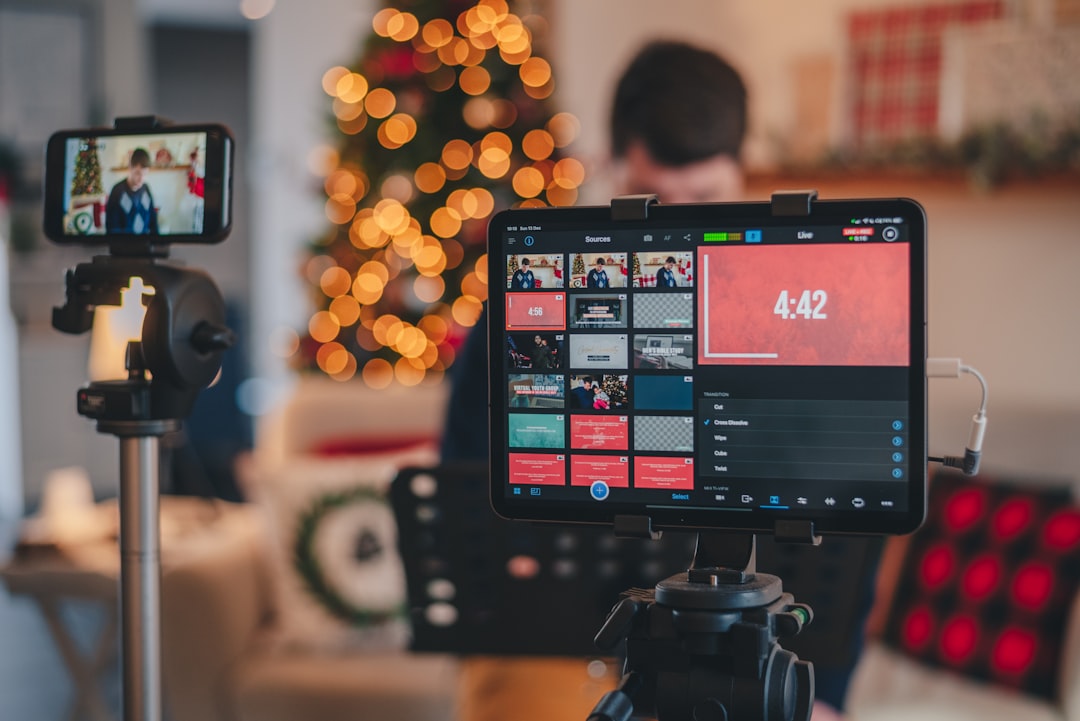
A lean event team usually works best with four functional roles: field lead, video producer, writer/editor, and distribution lead. On a tiny team, one person may cover more than one role, but the responsibilities should still be named separately. The field lead handles access, scheduling, and live decision-making. The video producer captures clips and manages mobile ingest. The writer/editor turns raw notes into usable copy. The distribution lead publishes, syndicates, and tracks performance across channels.
For small teams operating under pressure, this structure is very close to the process discipline described in an AI fluency rubric for small creator teams: assign tools and tasks by output, not by hype. If your team is only three people, the key is not doing less. It is reducing cognitive switching. One person should never be simultaneously chasing access, writing captions, and exporting video unless the team is prepared for quality loss.
Use a two-shift rota to protect energy
Trade shows feel short in planning decks and long in real life. An 8-hour floor day becomes 10 or 12 once transit, meal breaks, and post-event edits are included. A two-shift rota can preserve energy and reduce mistakes: an AM capture shift focused on first-look announcements and interviews, and a PM publish shift focused on packaging, syndication, and sponsor deliverables. If you need a template for balancing “do everything” workloads without breaking, the discipline in small-business content stacks is surprisingly relevant here.
Always assign one person as the no-surprises owner
The no-surprises owner is responsible for noticing problems before they explode: missed embargoes, dead batteries, venue Wi‑Fi failure, bad audio, or sponsor confusion. This role is more important than it sounds. When a live event goes wrong, it is usually because nobody owned the exceptions. The no-surprises owner should track backup batteries, upload windows, contact details, and contingency routes, borrowing the same practical mindset used in travel safety decisions and disruption preparedness.
3. Create the Platform Map: What Goes Where, and Why
Map formats to channel behavior
Not every platform should receive the same asset. A vertical clip belongs on short-form social, a crisp quote image may belong on X and LinkedIn, and a fuller recap may belong on your site or newsletter. A strong platform map prevents wasted edits. It also gives the audience a reason to follow you in more than one place, which is critical when the same trade-show headline is being reported everywhere.
A practical platform map can look like this:
| Channel | Best format | Publishing speed | Primary goal |
|---|---|---|---|
| Instagram Reels / TikTok | 15–45s vertical clips | Immediate | Discovery |
| X / Threads | Live notes, quote cards, rapid updates | Immediate | Conversation and reach |
| Business angle recaps, trend analysis | Same day | Authority and B2B engagement | |
| Newsletter | Curated summary plus what it means | Daily or next morning | Retention |
| Website | Hub page, live blog, recap article | Same day | Search and syndication |
This model becomes much easier when you treat distribution like a system rather than a last-minute task. For a more structured view of content packaging, see scalable content templates, which can help turn one piece of reporting into multiple outputs without rewriting from scratch every time.
Build a live hub, not a pile of posts
A hub page gives your audience one canonical place to follow the event, while social channels act as entry points. This reduces duplication and creates a cleaner SEO footprint. It also makes syndication easier because every post can point back to a single source of truth. For teams that care about long-tail value, hub architecture should be part of the planning stage, much like the logic behind SEO-preserving site changes.
Use a content ladder for live coverage
Every announcement should move through a content ladder: capture the moment, package the story, syndicate the asset, then monetize the attention where possible. This ladder keeps the team from treating each update as an isolated task. It also helps you identify which assets deserve a full article, which deserve a social clip, and which should be archived. If you want a good mental model for turning live insights into repeatable formats, study engaging demo design and adapt its pacing principles to product announcements.
4. The Field Workflow: Capture, Confirm, Publish
Capture in layers, not in one perfect take
At a big expo, no shot is final. The best teams capture wide context, medium product views, and close-up details in quick layers. Start with a broad establishing clip that shows the booth, then record the product interaction, and finally capture one clean talking-head quote. That way, if one layer is noisy or unusable, the story still has structure. This approach reduces reshoots and mirrors the efficiency of directing authentic on-camera interaction, where the goal is usable truth, not overproduced perfection.
Confirm facts before the caption goes live
Live coverage thrives on speed, but speed should not override verification. Product names, pricing, feature claims, availability, and quoted statements should be checked against either a press release or a recorded source. Small teams need a mini fact-check loop: one person captures, one person verifies, one person publishes. This is especially important when covering giant shows like MWC, where multiple brands may announce similar specs, and one mistaken line can be copied across syndication partners in minutes.
Write captions for scanners, not just followers
Event audiences skim aggressively. The ideal live caption starts with the news value, then adds one differentiator, then ends with a useful next step. Example: “Xiaomi just unveiled a camera-focused flagship with a brighter display and faster charging. Here’s what changed, who it’s for, and the launch window.” That structure works because it is readable in-feed, easy to clip into a newsletter, and searchable later. It also aligns with the logic behind content-team workflow migrations, where clarity and handoff quality matter more than clever wording.
5. Syndication Checklist: Turn One Report into Many Assets
Start with the canonical asset
Every event output should have one master version: a live blog item, a recap note, or a primary social thread. All other assets should derive from it. This reduces drift in messaging and keeps your team from rewriting the same facts in five different styles. A canonical asset should include the headline, summary, source details, quote, media, and a status tag such as live, confirmed, or needs follow-up.
Use a syndication checklist for every announcement
Your syndication checklist should include format conversions, platform-specific captions, alt text, cropping, CTA variation, and link placement. It should also define who approves the final version and who logs performance after publication. This is not glamorous work, but it is how small teams create durable output. If you need a good example of lightweight but rigorous reporting structure, the discipline in publisher playbooks for niche coverage translates well to trade shows.
Repurpose based on audience intent
Not every repurposed asset should look like a copy-paste. The same event moment may become a 20-second teaser for social, a 200-word analysis for subscribers, and a sponsor-friendly recap slide for sales. The audience intent changes by channel, so the framing should too. That is how you get more life from a single interview and avoid the “same post everywhere” problem that often kills engagement. For visual packaging and first-impression optimization, use lessons from visual audit for conversions to keep thumbnails, titles, and banner hierarchy aligned.
6. Monetization Spots That Don’t Feel Cheap
Build sponsor moments into the editorial map
Monetization during trade-show coverage works best when it is planned as part of the content architecture. You can reserve sponsor inventory around categories rather than single posts: “day-one recap,” “best booth design,” “viewer questions,” or “editor’s picks.” That way, sponsors get meaningful placement and audiences get useful information. The best event sponsorships feel like contextual support, not interruptions.
Identify premium moments with high attention density
There are usually a handful of moments when audience attention peaks: opening keynotes, major launch announcements, hands-on demos, and recap posts right after the floor closes. Those are the moments to attach premium monetization spots. If you want to think like a media planner, treat these as inventory windows rather than random placements. This is similar to the way niche news publishers build high-value attention loops around recurring industry events.
Offer utility-first paid placements
The safest monetization format for creator teams is a utility-based sponsorship: a “what to watch today” guide, a “best of show” shortlist, or a downloadable exhibit map. If a sponsor supports a useful asset, the audience is less likely to perceive the integration as intrusive. This approach also makes it easier to sell return visits, because the sponsored item continues to generate value after the live day ends. For a broader understanding of how to package useful sets and bundles, look at thoughtful bundle design and adapt the principle to event coverage.
7. Gear, Connectivity, and Backup Planning
Travel light, but build redundancy
At a massive trade show, the wrong gear strategy is overpacking everything except the one cable you actually need. The right strategy is compact redundancy: two charged power banks, spare cables, one small mic solution, a backup capture phone, and a simple storage workflow. For this, the practical advice in budget cable kits is surprisingly relevant, because a missing cable can cost more in lost output than a premium accessory costs to buy.
Plan for venue Wi‑Fi failure
Do not assume the venue connection will support live uploads. Many floors are congested, and upload speed can collapse during keynote peaks. Build a hotspot fallback and pre-size files for efficient transfer. Also consider when it is better to capture now and publish later from a stable connection, rather than fighting a bad network on the floor. Teams that understand resilience, like those using data pipeline cost controls, know that storage and reprocessing are part of the operating model, not an afterthought.
Choose battery management as an editorial decision
Battery is not just a technical concern; it is an editorial constraint. If a team’s devices are at 18% by noon, the afternoon coverage will be weaker. Put battery checkpoints into the rota. Schedule top-ups during lunch, transfers during transit, and heavier video work when power is available. This is the kind of operational thinking that separates reactive coverage from a reliable content engine.
8. Measurement: Prove the Coverage Worked
Track the metrics that match the goal
For live trade-show coverage, metrics should vary by format. For live social, look at reach, saves, shares, replies, and completion rate. For website content, track organic clicks, time on page, internal click-through, and newsletter signups. For sponsor content, measure impressions plus qualified engagement such as link taps or lead interactions. The point is to avoid judging a social-first package with only website metrics, or vice versa.
Use post-event reporting to improve the rota
Post-event analysis should answer three questions: What did we publish too late? What took longer than expected? What got the strongest response relative to effort? Those answers tell you how to change the next staffing plan. This is exactly the kind of feedback loop that makes governed platform workflows valuable: you improve by observing how decisions behave in real operations, not by guessing.
Build a reuse score for every asset
A useful internal metric is the reuse score: how many destinations did one asset support? A strong event clip may become a social post, a newsletter embed, a recap article module, and a sales one-pager. The more reuse, the better the content ops process. If you find that assets are only ever used once, your system is too manual or too channel-specific. Studying traffic attribution during bursts can help you decide which outputs truly drive value.
9. A Practical Trade Show Playbook for MWC-Scale Coverage
The 72-hour pre-event checklist
In the three days before the show, your team should finalize the rota, load the templates, prewrite captions, test gear, confirm press access, and define daily deliverables. The goal is to eliminate decisions that can be made in advance. It helps to think of the pre-event window the way travel teams think about route disruption planning: the less ambiguity on day one, the less chaos later. For more on planning under uncertainty, review international itinerary replanning and apply that mindset to event logistics.
The daily event rhythm
A good event day has a predictable beat: morning scouting, keynote coverage, midday interviews, afternoon demos, evening synthesis. Each block should have a named owner and a defined output. That rhythm matters because it lowers stress and improves consistency. A team that knows the next move is less likely to waste energy debating coverage options in the middle of the floor. If you need a stronger sense of systemization, look at workflow migration checklists and adapt them to live publishing.
The after-show follow-up plan
Most teams stop too early. The post-show period is where search value, lead value, and sponsor goodwill are often realized. Publish a recap, a “best of show” roundup, and at least one analysis piece that interprets the broader industry story. Then send clips or assets to partners quickly while the event is still top of mind. This is also the moment to archive source files, tag reusable footage, and document what should change next time.
10. The Template Pack You Should Reuse Every Year
Staffing rota template
Use a simple table in your planning sheet with these columns: name, role, shift, backup role, device responsibility, and publish authority. If you are under-resourced, assign one person to cover editorial decisions and another to cover distribution. Keep the rota readable at a glance and print it or pin it in a shared workspace. The biggest mistake is making the rota too detailed to use in the field.
Platform map template
For each platform, define the content type, caption length, CTA, thumbnail style, and deadline. This prevents “just post it everywhere” behavior and creates consistency across the event. A platform map also makes sponsor planning easier because you know which channels can absorb branded placements without hurting the editorial flow. If you have ever tried to manage a content stack without a clear map, the principles in content stack design will feel familiar.
Syndication checklist template
Every asset should pass through the same gate: verify facts, crop media, add alt text, schedule, publish, and log results. This checklist makes handoffs cleaner and reduces the chance of missing captions or broken links. It is especially useful when one creator is on camera and another is handling the CMS. For broader perspective on systematic reporting, revisit live-feed workflow design and translate it into an event context.
Pro Tip: If a task can be turned into a template, template it. Every repeated decision you remove from the floor saves attention for the moments that actually matter: access, story selection, and timely publishing.
11. Final Take: Coverage That Scales Without Crushing the Team
The best trade-show teams do not chase every headline. They build a content system that makes the right headlines easy to capture, package, and distribute. That means a clear staffing plan, a channel-aware platform map, a disciplined syndication checklist, and monetization spots that fit the editorial flow. If you are heading into MWC 2026 or any similarly intense industry event, your advantage is not just speed. It is operational clarity.
When you cover live events with structure, you can stay social-first without becoming reactive. You can publish fast without sacrificing quality. And you can turn one week on the ground into weeks of reusable content, sponsor value, and audience growth. That is the real job of event content ops: not to survive the show, but to convert the show into a durable publishing asset.
For more on how creator teams scale reporting systems, revisit audience-building through niche coverage, workflow migrations for content teams, and multi-platform publishing strategy. Those lessons are not just adjacent to trade-show coverage; they are the backbone of a sustainable live-event operation.
Related Reading
- Edge Storytelling: How Low-Latency Computing Will Change Local and Conflict Reporting - Useful for understanding real-time publishing constraints.
- An AI Fluency Rubric for Small Creator Teams: A Practical Starter Guide - A smart framework for assigning AI-assisted tasks.
- How to Track AI-Driven Traffic Surges Without Losing Attribution - Helps you measure event-driven spikes more accurately.
- Blueprint for a Governed Industry AI Platform: What Energy Teams Teach Platform Builders - Good context for disciplined workflows and approvals.
- How Brands Broke Free from Salesforce: A Migration Checklist for Content Teams - Relevant if your event ops depends on cleaner handoffs and stack changes.
FAQ
How many people do you need to cover a major trade show?
Three people can cover a major trade show if the workflow is tight: one field lead, one capture producer, and one editor/distribution lead. Four is better because it gives you room for backup, but the real determinant is role clarity. If the team tries to make everyone do everything, output quality drops quickly.
What should a small team prioritize first at MWC 2026?
Prioritize the biggest announcements, the highest-value interviews, and one consistent daily recap format. Do not try to cover every booth equally. The audience remembers clear themes and useful takeaways more than exhaustive wandering.
How do you avoid duplicating work across social, newsletter, and site?
Start with one canonical asset, then derive all other formats from it. Use a syndication checklist so captions, links, and visuals are adapted once, not rewritten from scratch every time. This keeps your team moving and prevents channel silos.
What monetization works best without hurting trust?
Utility-first sponsorships usually work best: best-of lists, daily guides, and sponsored recap modules that genuinely help the audience. Avoid random ad-like placements that interrupt the live flow. Relevance is what protects trust.
How do you measure whether live coverage was successful?
Measure success by channel-specific outcomes: reach and engagement for social, clicks and time on page for web, and signups or qualified actions for owned channels. Then compare performance against effort, not just volume. A small team wins when reuse and conversion are strong.
Related Topics
Marcus Ellison
Senior SEO Editor
Senior editor and content strategist. Writing about technology, design, and the future of digital media. Follow along for deep dives into the industry's moving parts.
Up Next
More stories handpicked for you

Audit Your Analytics: A Simple Creator Checklist to Catch Platform Reporting Errors

Creating Book-Inspired Content: Engaging Your Audience Through Literature
Curatorial Control in Content Creation: Lessons from Live Performances

Navigating the Future of AI in Content Creation: What It Means for Creators

Harnessing Human Connection: The Key to Nonprofit Success for Creators
From Our Network
Trending stories across our publication group

Fuel Relief Announcements: How Rideshare Companies Should Talk to Drivers — And What Drivers Should Expect

How Changes in Local TV Ownership Could Impact Child Safety Alerts and School Closures

When a Trailer Is More Fiction Than Product: How to Use Concept Teasers Without Losing Trust

How to Build a Giveaway Campaign for Wedding and Party Printables

How to Turn a Developer Conference Into a Fun ‘Future Tech’ Party for Teens and Tweens
